How to Avoid Common Problems After Wisdom Teeth Removal
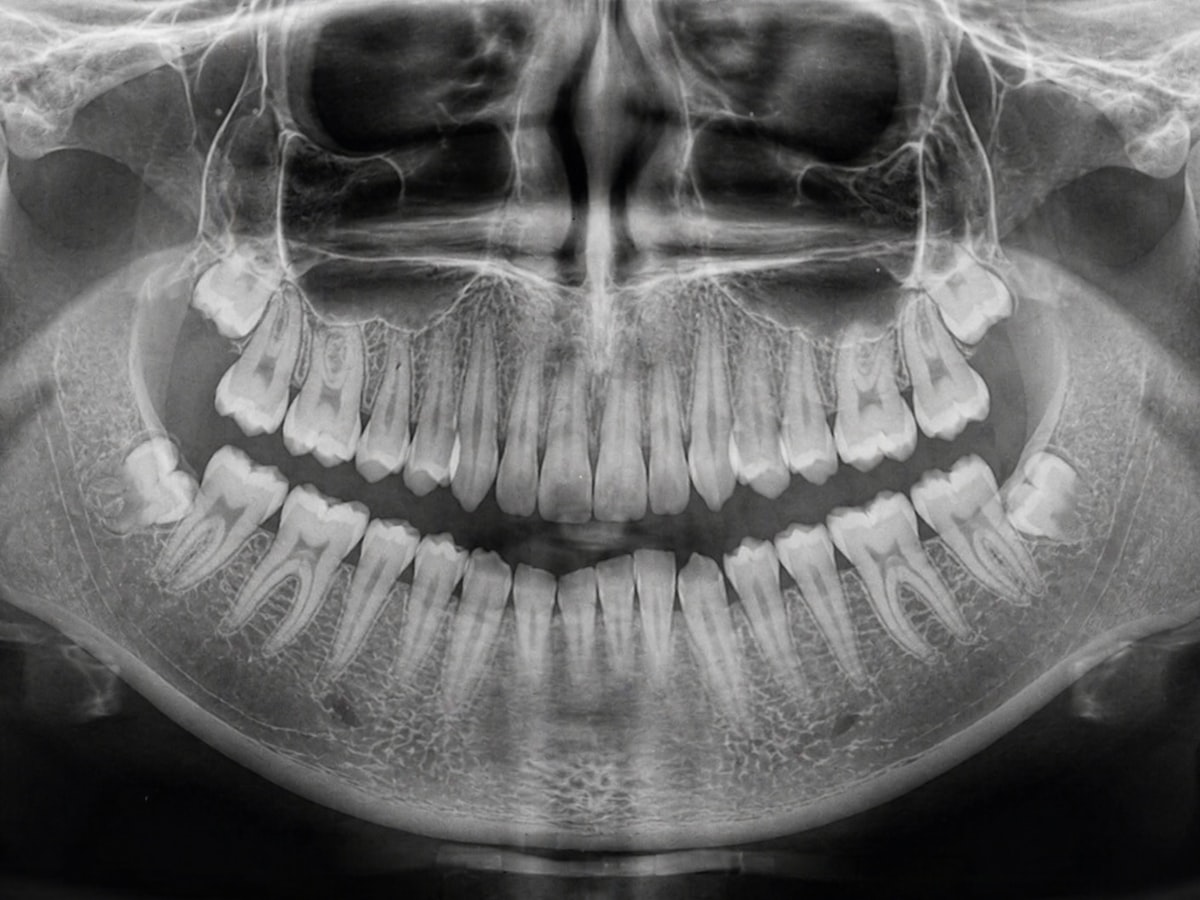
Wisdom teeth removal is routine, but the recovery period can feel anything but routine when swelling builds, the mouth tastes metallic, or a dull ache stretches into the evening and makes sleep hard. Most problems after oral surgery are not dramatic complications. They are smaller, very preventable setbacks that come from timing, habits, or simple misunderstandings about what the healing site needs in the first few days.
That distinction matters. Patients often worry about rare disasters and overlook the ordinary choices that shape recovery: how firmly they bite on gauze, when they start rinsing, what they eat on day two, whether they go back to the gym too soon, or how they use pain medicine. In practice, these details make the difference between a smooth week and a miserable one.
The good news is that the body usually heals well after Wisdom Teeth Removal if the blood clot stays protected, the area stays reasonably clean, and swelling is managed early. Most of the common problems that bring people back to the phone or chair can be reduced with a few disciplined habits.
The first 24 hours set the tone
The extraction socket is trying to do one essential thing right after surgery: form and hold a stable blood clot. That clot is not an inconvenience to be washed away. It is the body’s temporary seal and scaffold. If it gets dislodged, healing slows down, discomfort intensifies, and the risk of dry socket climbs.
That is why the earliest instructions matter so much, even the ones that seem minor. Bite on the gauze with steady pressure, not with frequent checking. People often remove the gauze every few minutes to “see how it looks,” which restarts bleeding and prevents a good clot from organizing. Gentle pressure for the recommended interval is much more effective than constant inspection.
Rest also helps more than many expect. Lying completely flat can increase throbbing for some people, so keeping the head slightly elevated often makes the first evening easier. Heavy exercise, bending, or rushing around can push blood pressure up just enough to restart oozing. That kind of bleeding is usually not dangerous, but it is frustrating and exhausting.
The first day is also when small choices cause larger consequences. Spitting forcefully, sucking through a straw, smoking, or vigorous rinsing can all create the kind of negative pressure or disturbance that unsettles the clot. Patients sometimes assume one quick sip through a straw cannot matter. Sometimes it does.
Bleeding: what is normal and what is not
Many people use the word “bleeding” when what they really have is light oozing mixed with saliva. Saliva can turn a small amount of blood into a dramatic pink pool in the sink. That looks alarming, but it is often well within normal recovery, especially during the first several hours.
Persistent bright red bleeding that soaks gauze repeatedly is different. In those cases, direct pressure matters more than anything else. A moistened gauze pad, or in some practices a damp tea bag because of its tannins, can help when held firmly in place. The key is uninterrupted pressure for a meaningful stretch of time.
The most common mistake is replacing gauze too often. The second most common is talking, chewing on the gauze, or shifting it around. The mouth does not need activity right then. It needs stillness.
If the extraction was surgical, involved impacted lower wisdom teeth, or required more bone removal, some oozing may last longer. That is not necessarily a sign of trouble. It is one reason good aftercare instructions should fit the actual procedure, not a one-size-fits-all script.
Swelling is expected, but it can get away from you
Swelling after wisdom teeth surgery usually peaks around the second or third day. Patients are often surprised by that timing. They may feel decent on the evening after surgery, assume they are doing great, then wake up puffy and stiff the next morning. That delayed build is common.
Early cooling helps. Intermittent cold packs during the first day can limit swelling and reduce soreness. After that early window, warmth is sometimes more helpful for comfort and jaw stiffness, depending on the surgeon’s instructions. The timing matters. Applying ice nonstop for days does not keep helping just because the face still looks swollen.
Swelling becomes a problem when it sharply worsens instead of gradually improving, or when it comes with fever, bad taste, increasing firmness, or difficulty swallowing. Mild asymmetry is common. A rapidly enlarging, hot, tender swelling deserves attention.
Jaw stiffness is another issue that patients often underestimate. If the mouth was held open a long time during surgery, the muscles can feel tight for several days. That can make eating, speaking, and even brushing difficult. Gentle movement usually improves this over time, but forcing the jaw wide open because “it feels stuck” tends to backfire.
Dry socket gets all the attention for a reason
Dry socket is not an infection, and that distinction can spare a lot of confusion. It is usually a healing problem in which the blood clot dissolves or dislodges, leaving the underlying bone exposed. The hallmark is not just soreness. It is escalating pain, often starting a few days after extraction, that may radiate toward the ear, temple, or jaw and seem out of proportion to what recovery should feel like.
Patients often describe a miserable pattern: the first day or two seemed manageable, then things got distinctly worse rather than better. There may be a foul taste or odor, but the dominant feature is deep, nagging pain that ordinary pain medication does not fully touch.
The common risk factors are familiar in oral surgery offices because they show up again and again. Smoking is a major one. So is straw use, aggressive rinsing too early, and anything else that destabilizes the clot. Some patients appear more prone than others, especially after lower wisdom teeth removal, where dry socket is more common than in upper sites.
Avoiding dry socket is less about doing something fancy and more about protecting the wound from unnecessary force during those first few days.
Food can help healing, or quietly sabotage it
Most patients focus on what hurts to chew and forget to think about what is likely to lodge in the sockets, irritate tissue, or leave them undernourished. The mouth heals better when the body gets enough fluid, calories, and protein. A recovery fueled by coffee, pudding, and almost nothing else tends to feel harder than it needs to.
Texture matters more than temperature in many cases. Very hot foods can increase bleeding early on. Sharp, crumbly, or seedy foods can work their way into extraction sites and become surprisingly annoying. That does not mean someone needs a week of baby food. It means advancing diet with judgment.
A practical rule is to choose foods that require minimal chewing, do not splinter, and can be swallowed comfortably. Yogurt, smoothies eaten with a spoon, mashed potatoes, eggs, oatmeal once the first day has passed, soft pasta, soup that is warm rather than steaming, cottage cheese, fish, and soft rice can all work depending on the person and the extent of surgery.
Patients who had all four wisdom teeth removed often find that eating becomes less about appetite and more about logistics. Numbness, swelling, and limited opening make even simple meals awkward. That is exactly when preparation helps. If soft foods are already in the house, it is easier to stay hydrated and nourished instead of skipping meals and then feeling weak, nauseated, or headachy.
Pain control works best when it is planned, not reactive
A lot of difficult recoveries are really medication-timing problems. By the time pain becomes intense, it is harder to bring back under control. Following the prescribed or recommended schedule during the first day or two is usually more effective than waiting until the discomfort is severe.
For many healthy adults, alternating or combining common pain relievers under professional guidance can work well, sometimes better than people expect. But “common” does not mean harmless for everyone. Someone with stomach ulcers, kidney disease, liver disease, bleeding disorders, or other medications on board needs individualized advice. This is where generic internet tips can fail badly.
Nausea is another common obstacle. It is often triggered not by the surgery itself but by taking pain medication on an empty stomach, swallowing blood, or moving around too much too soon. A light, soft meal before medication often helps if allowed by the surgeon’s instructions.
Constipation can also follow prescription pain medicine, especially if fluid intake drops. That problem rarely gets mentioned in the recovery chair, but it can make patients feel as bad as the dental pain by day three. Hydration, light movement when appropriate, and using fewer opioid tablets when possible can make a real difference.
Cleaning the mouth without disturbing the wound
Keeping the mouth clean after extraction is a balancing act. Leave the area entirely untouched and food debris accumulates. Attack it too aggressively and the clot gets disturbed.
That is why the timeline matters. Brushing the rest of the mouth gently is usually encouraged much earlier than patients think, because a dirty mouth does not help healing. The surgical sites themselves should be treated more carefully. Gentle rinsing usually starts only after the initial period recommended by the surgeon, often after the first day. The rinse should be gentle, not a forceful swish that ends with hard spitting into the sink.
Saltwater rinses are often useful because they are simple, soothing, and low risk when done gently. Irrigation syringes, if provided, can be extremely helpful later in recovery for lower extraction sites where food tends to collect. The mistake is starting them too early or aiming them like a pressure washer. Tissue that is trying to organize itself does not need enthusiasm. It needs patience.
Patients sometimes worry because the extraction site looks white, yellowish, or uneven. That appearance can be normal healing tissue and fibrin, not pus. The problem with trying to self-diagnose by appearance alone is that healthy healing often looks ugly.
The habits that most often cause avoidable setbacks
The following habits account for a remarkable share of the “something seems wrong” calls after Wisdom Teeth Removal:
- Using a straw, spitting hard, or creating suction in the mouth during the early healing phase.
- Smoking or vaping too soon, both of which irritate tissue and increase dry socket risk.
- Returning to strenuous exercise before bleeding and swelling have settled.
- Eating crunchy, sharp, or crumbly foods that traumatize the socket or leave debris behind.
- Ignoring hydration, then feeling worse from headache, nausea, fatigue, and slower recovery.
None of these mistakes are unusual. They happen because patients are trying to get back to normal quickly. Recovery after wisdom teeth surgery tends to reward the opposite approach. A little restraint early prevents a lot of trouble later.
Smoking, vaping, and alcohol deserve blunt advice
This is one of the few areas where hedging does not help. Smoking after extraction is a bad combination. The heat, chemicals, and inhalation mechanics all work against clot stability and tissue healing. Vaping may be marketed as cleaner, but from the standpoint of suction and tissue irritation right after oral surgery, it is not a free pass.
Alcohol can also interfere, especially if it mixes with prescription pain medicines or causes Wisdom Teeth Removal dehydration. Some patients assume a drink will help them relax or sleep. It often does the reverse by increasing bleeding, worsening dryness, or interacting with medication.
When patients do everything else right but smoke the same day or the next, the recovery often reflects it. This is not moralizing. It is pattern recognition.
When bad breath, a strange taste, or food trapping is normal
One of the most common recovery concerns is a bad taste in the mouth. Sometimes it is just old blood and healing fluid. Sometimes it comes from food particles collecting near the lower wisdom tooth sockets, where the anatomy naturally traps debris. That can smell unpleasant without meaning there is a dangerous infection.
Food trapping tends to become more obvious after the first few days, once eating is more normal but the sockets are still open. This is when proper rinsing or irrigation, according to the surgeon’s instructions, becomes useful. Patients are often surprised by how long lower sockets can take to fill in. The gum surface may look much better before the deeper area fully closes.
The judgment call is whether the taste or smell is steadily improving as cleanliness improves, or whether it is paired with worsening pain, swelling, fever, or pus. The first pattern is usually routine. The second is not.
Infection is less common than people think, but it matters
Many discomforts after extraction get labeled as “infection” by worried patients, yet true postoperative infection is less common than ordinary swelling, bruising, stiffness, or dry socket. When infection does occur, the signs usually cluster rather than appearing alone.
A low-grade fever on the first day can happen. A sustained fever several days in, especially with increasing swelling, worsening pain, and drainage, is more concerning. So is swelling that initially improved and then returns with pressure and tenderness. If the breath or taste is foul but pain is minimal and the mouth is simply collecting debris, that points in a different direction than an actively spreading infection.
A difficult lower wisdom tooth extraction, especially one involving impaction or partial eruption under a gum flap, can carry a somewhat different recovery profile than an easy upper extraction. That is why comparing one person’s recovery to a friend’s can be misleading. The procedure itself may not have been equivalent.
Sleep, stress, and the recovery nobody plans for
Oral surgery can be more tiring than patients expect. Sleep is often poor the first night, and poor sleep makes pain feel sharper. Stress also changes behavior. Tired people drink less water, forget doses, eat poorly, and start poking at the surgical site with their tongue because they cannot stop thinking about it.
That last habit is more common than any surgeon would like. Tongue checking, mirror checking, and finger checking are understandable, but they rarely help. They often prolong anxiety Wisdom Teeth Removal and sometimes physically irritate the tissue.
One of the most useful pieces of recovery advice is simple: give yourself a real low-demand day or two. The patient who tries to answer emails, attend class, run errands, and socialize the same day may technically manage it, but that does not mean recovery goes well. The patient who treats the first 48 hours as protected healing time usually has the smoother course.
When to call the surgeon instead of waiting it out
Some symptoms deserve a phone call sooner rather than later. The trick is recognizing the pattern, not panicking at every ache. Contact the surgeon or dental office promptly if you notice any of the following:
- Bleeding that remains heavy despite firm, continuous pressure.
- Pain that becomes significantly worse after day two or three instead of gradually improving.
- Swelling that rapidly enlarges, especially if swallowing or breathing feels difficult.
- Fever, pus, or facial swelling that seems to worsen rather than settle.
- Persistent numbness, medication reactions, or inability to keep fluids down.
Most offices would much rather answer an early recovery question than manage a preventable complication later. Good postoperative care includes communication, not just instructions on paper.
A few situations that call for extra caution
Not every patient walks into wisdom tooth surgery with the same risk profile. People with diabetes, immune suppression, bleeding disorders, a history of difficult extractions, or medications that affect clotting need more tailored planning. Even birth control, certain supplements, and anti-inflammatory medicines can matter in context. That does not mean recovery is destined to be difficult. It means assumptions are less useful than specific guidance.
Age also changes things. Wisdom teeth removal in the late teens often heals faster than removal later in adulthood, when roots are more developed and bone is denser. That is not a reason for alarm if someone is older. It is simply one reason recovery comparisons can be unfair.
Patients who had an infection before surgery may also recover differently. Tissue that was inflamed beforehand can stay sore longer, and swelling can be less predictable. Again, the procedure matters.
The recovery mindset that helps most
The best recoveries usually share a pattern: protect the clot, control swelling early, keep pain medicine on schedule, eat enough soft food, drink more fluid than seems necessary, and clean the mouth gently but consistently once appropriate. None of that is glamorous. It is steady, ordinary care.
Problems after Wisdom Teeth Removal often begin when patients feel almost normal and decide the precautions no longer apply. They skip the soft diet too quickly, restart smoking, rinse too hard, or head back to the gym because the pain is “not that bad.” The mouth then reminds them, usually overnight, that healing was still underway.
If there is one practical lesson that holds up across hundreds of recoveries, it is this: the first few days reward patience. The body does a great deal of repair on its own, but it does not respond well to being rushed.
Oxnard Dentistry
1730 E Gonzales Rd, Oxnard, CA 93036, United States
+1 805-307-8731
FAQ About Wisdom Teeth Removal
How painful is it to remove a wisdom tooth?
Local anesthetic numbs the area during extraction. Pressure may still be noticeable; tell the dentist if you feel pain. Soreness and swelling afterward are common. Follow the pain-control instructions provided for your situation.
How long is recovery for wisdom teeth extractions?
Recovery varies with the tooth position and complexity of the extraction. Some people resume routine activities quickly, while others need several days of rest. Soreness, swelling and jaw stiffness can last up to two weeks. Follow your clinician's aftercare and activity advice.
What are the risks of wisdom tooth removal?
Possible complications include dry socket, infection, persistent bleeding and changes in sensation from nearby nerve injury. Your dentist or oral surgeon should explain your individual risks before treatment. Seek prompt dental advice for bleeding that will not stop, fever, or severe or worsening pain and swelling.